The fact that coconut has such a low melting point 75F25C makes it a hard one to keep from melting at higher temperatures. This means that the melting point tends to be only slightly higher than most ambient temperatures.

Coconut Oil Faqs Carrington Farms
Putting the bottle in some warm water or near a warm air source will heat it above the temperature needed to liquefy it.
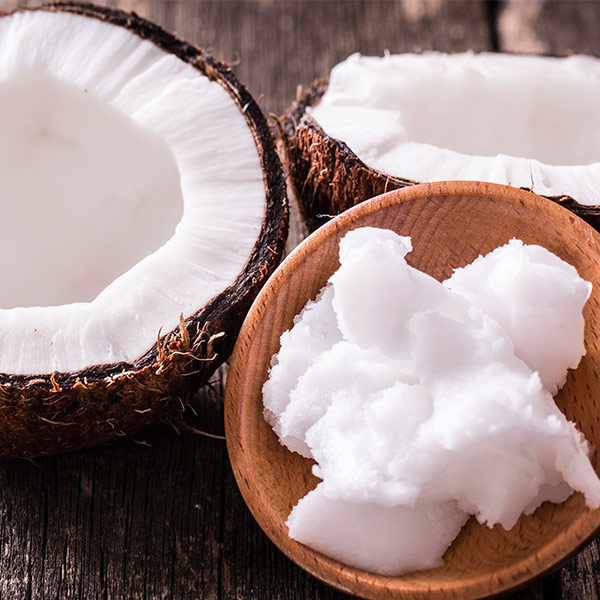
Coconut oil melting at room temperature. Coconut oil melts at about 76 degrees F the tempered chocolate seems to hold up a little better than the untempered chocolates but I would really like to be able to leave these at. This change from liquid to solid and back again does not affect the quality of the oil in any way. Coconut oil will of course add a slight coconut taste so keep that in mind when stirring it into your candy melts.
As such it shouldnt take too much additional heat to melt the coconut oil. The melting point of coconut oil is 78F. What oils are solid at room temperature.
This is what makes coconut oil solid at room temperature have a long shelf life and can be cooked at high temperatures. If I want it solid I put it in the fridge. Or if your coconut oil was liquid when you bought it and doesnt solidify in the fridge it likely isnt regular coconut oil.
In fact depending on the season you. When refrigerated coconut oil is in solid form it can be harder to use. Coconut oil remains a solid up to 74 degrees after which time it becomes a liquid.
Vertygo that is a good question. However adding the oil will definitely make the candy melts easier to work with. Fat and Oil Melt Point Temperatures Vegan baking is all about reverse engineering especially when it comes to things like understanding the melt point temperatures of fats.
Putting the bottle in some warm water or near a warm air source will heat it above the temperature needed to liquefy it. We typically use fats that are solid at room temperature in baked goods and fats that are liquid at room temperature oil in salad dressings and. Almost all fats are mixtures of fatty acids in different crystalline forms so in reality melting point is the temperature range over which the fat goes from hard to soft to liquid.
This change from liquid to solid and back again does not affect the quality of the oil in any way. There is a ton of scientific mumbo jumbo that we can go into but the bottom line is that coconut oil consists of mostly medium-chain fatty acids which have an average melting temperature of 76F 24C. Cold temperatures will cause the oil to solidify into a curdled form allowing it to stay fresh for as long as possible.
The thing you need to know is that its melting point is around 75 F ca. In the summer even in England my coconut oil becomes liquid and stays liquid unless the temperature drops. I hope that one of the food scientists on Cheftalk would be able to help.
Coconut oil is a great option as it is a solid when room temperature pending that you are in a room that is 75 degrees or cooler. Through our proprietary distillation process fatty acids with higher melting points are removed concentrating and leaving the fatty acids with lower melting points. Coconut oil melts at about 78 F so at normal room temperature it will be solid.
If the temperature in the room where you keep it is higher it will liquefy. This is the temperature range at which enough fat molecules are melted that the fat is liquid. Often I choose to examine the building blocks of a recipe so I can understand it and attempt create a.
If the temperature is above 76 degrees the oil will be liquid. Its low melting point of 76 degrees Fahrenheit 24 degrees Celsius means that it will be liquid most of the time. I honestly do not know if there is an ingredient one can use to keep it solid at a warmer temperature.
Opt for oil that is sold in a glass or BPA-free plastic container to avoid chemical leaching. Melting Point of Coconut Oil Coconut Oil is used for a huge variety of purposes not just for food. Coconut oil has a relatively low melting point about 76F according to experts at Nutivia which manufactures coconut oilso it will almost definitely turn to.
Thankfully it has a low melting point of 76 degrees Fahrenheit so its quick to liquify when taken out and left at room temperature. When properly stored you can expect it to last anywhere from 12 to 24 months. Coconut oil is solid at room temperature.
The fatty acids with higher melting points are the reason regular coconut oil is solid at room temperature approximately 68 degrees F. Coconut oil melts at about 78 F so at normal room temperature it will be solid. If you do choose to refrigerate coconut oil allow it to sit out at room temperature for several minutes before using.
The melting point of coconut oil is generally quoted as being 76 degrees F 24 C. The melting point depends on how pure the oil is. Few degrees less and itll be of a jelly consistency.
Again this temperature can fluctuate slightly between different types of coconut oils. Depending on the makeup of your specific coconut oil it melts at a temperature between 76-78 ºF 24-25 ºC. You can store coconut oil in the pantry in the fridge or at room temperature.
Despite How Good It Sounds Coconut Oil Can Have Its. So dietary fats including coconut oil consist of fatty acids that are in the form of triglycerides. In the summer it is liquid in your cabinet and in the winter it is solid.
If the temperature is below 76 degrees it will become solid.
Coconut Oil Melting Point Coconut Oil Faqs Now Foods

How To Keep Coconut Oil Liquefied Living Gorgeous

Coconut Oil The Babbling Botanist
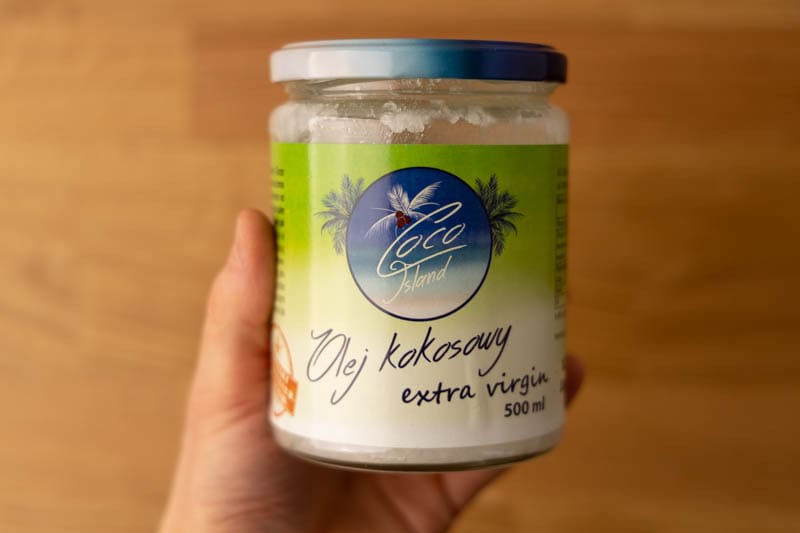
Does Coconut Oil Go Bad Does It Go Bad
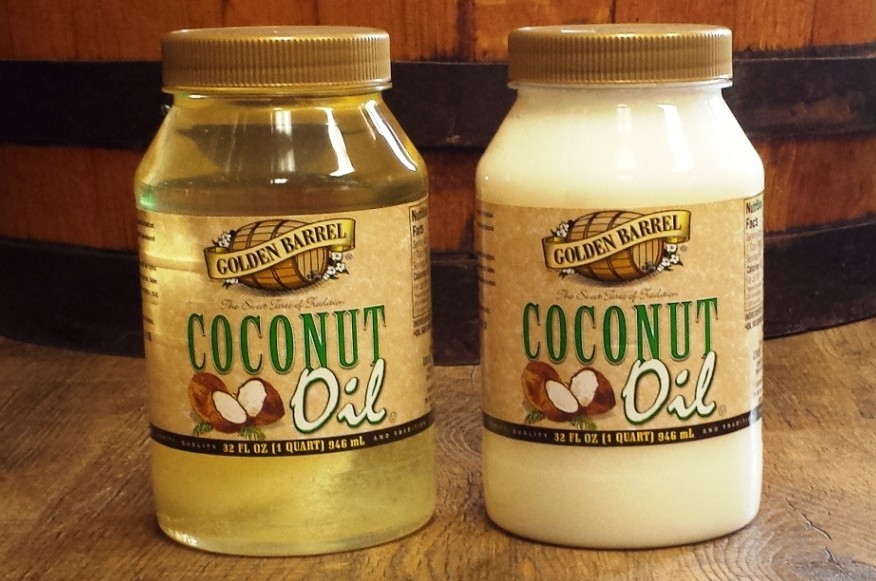
Faq S About Golden Barrel Coconut Oil Golden Barrel