In other words they contain Carbon C. While perceptions of stainless steel were often based on 420 or 440A knives heat treated to relatively low hardness the 440C and 154CM used in stock removal knives in the 70s were a different breed.

What S The Difference Carbon Steel Vs Stainless Steel Hiconsumption
A carbon blade is generally tougher and easier to sharpen than a stainless blade.
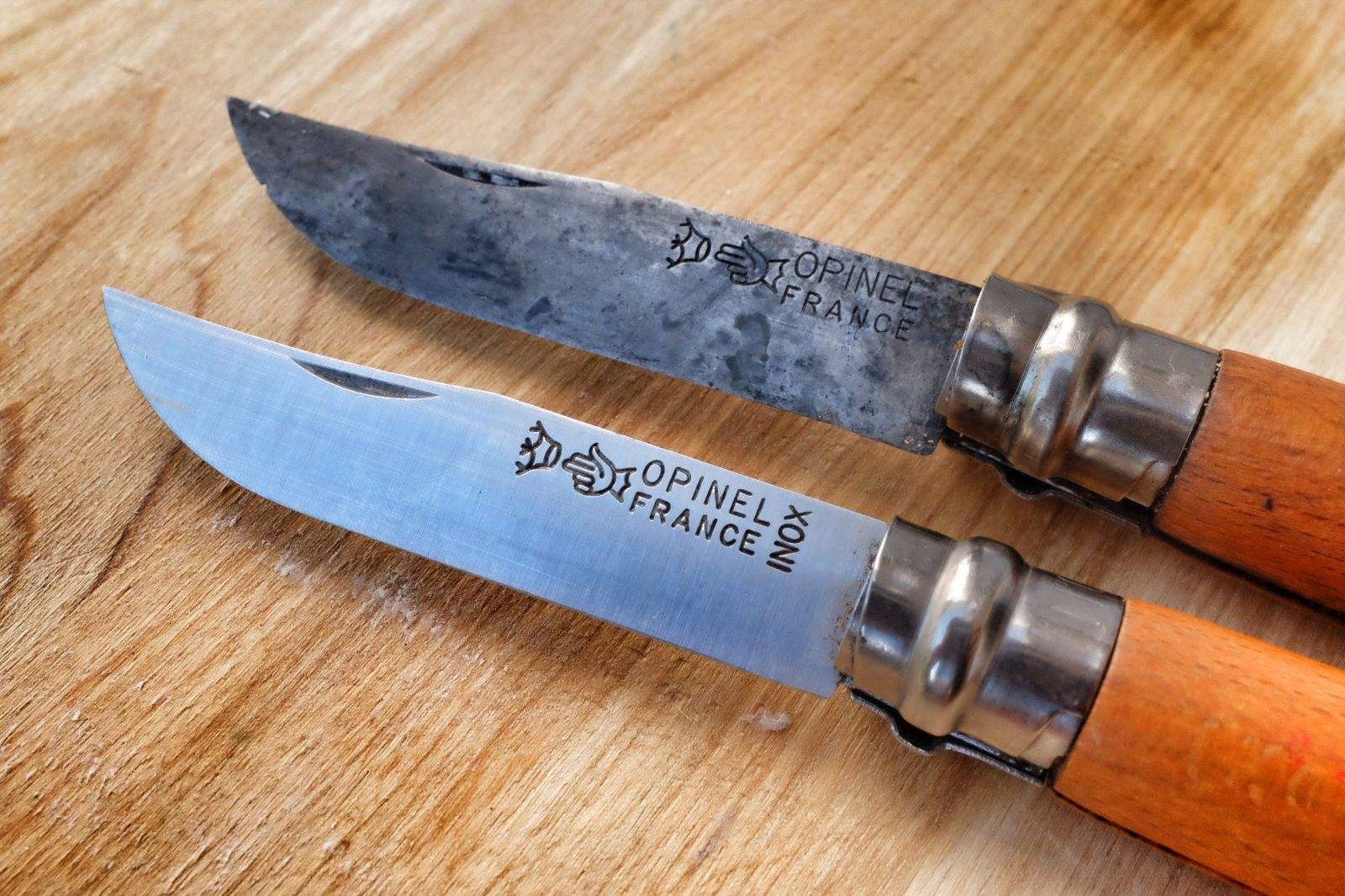
Carbon knives vs stainless. Non-Stainless translates into easy maintenance vs. That being said over the years and in a wide variety of professional kitchens Ive noticed only minor performance differences between carbon and stainless blades provided they were both of decent quality steel of course. Mora Carbon vs Stainless Carbon steel Mora knives.
To be officially categorized as stainless steel must contain more than 11 chromium by mass. Laminated steel Mora knives. Carbon blades tend to be made mainly of steel solely composed of iron and carbon whereas stainless steel blades are made of steel which is composed of iron and chromium along with a very small quantity of carbon.
So you see the difference between advertised carbon steel and stainless steel could be 1 more or less of chromium. Pure Iron Fe is way too soft to be used in a knife. One of the most frequent questions asked about kitchen or chefs knives is which is better.
Stainless steels used for knives. Sure you could use a stainless steel knife for the same kinds of activities but youll end up likely needing a replacement knife. Confused about which type of steel is the best for your knife.
Both stainless steel and high carbon steel are alloys made from carbon iron and a few other elements. They were capable of high hardness 58 Rc and had high wear resistance. This is the basic difference between the two types of blades but this doesnt tell you which one may be best for your requirements.
The huge difference is that carbon cuts so much better in the real world compared to cheap or even mid level stainless and it cuts better dull or sharp. In the 1950s that may have been a fairly accurate statement. Carbon steel blades have a break-in period during which the initial care of the blade is crucial but will set you up nicely for the rest of its life.
My first knives were some older late 60s early 70s carbon Sabatiers so naturally I have always had a certain nostalgic affection for carbon knives. Basically to me Stainless vs. Any steel containing less than 105 chromium could be classified as carbon steel.
Carbon Steel used for Knife making. By cody6268 Sat Dec 14 2019 337 am. For a regular cook and for your household a better option is a stainless steel knife because it is much more low-maintenance.
True carbon steel contains less than 3 chromium. Stainless vs carbon is not something I really consider when looking for a knife. Carbon Steel or Stainless Steel There is a lot of information out there that says that a carbon steel knife will be sharper and hold its edge longer than a stainless steel knife.
For instance many combat andor hunting knives feature carbon steel blades because they hold up well to hard use can very easily be made extremely sharp and are just generally strong. They also contain Carbon but also contain a high percentage of Chromium around 15. Carbon steel looks cooler with use and most are easy to sharpen.
N690 154CM SG2 420HC CPM 20CV S30V Victorinox 420j2 VG10 440A CTS-XHP AUS-10 9cr18MoV 14c28n Alloying and its Effects on Steel. Carbon steel vs stainless steel. Carbon steel Mora knives are a great option for many use cases.
The hardness toughness and edge retention are getting better and better. But there is one fundamental division that runs through all these different choices. Carbon steel stays sharper longer than stainless.
Stainless requires less maintenance and has better edge retention. Stainless steel in knives. Here is a link to a test that shows differences between two stainless alloys and one that was not quite stainless but otherwise a very high end carbon steel.
With many different philosophies on blade shapes and handle shapes. 1075 sk-5 k390 L6 ATS 34 52100 1055. With Carbon steel the knife.
Carbon steel knives may have a much sharper edge but they are more ideal for professional cooks. Personally I have started leaning toward tool steels of the non stainless nature. Second and this is really important carbon steel despite being harder than stainless steel is way easier to sharpen than stainless.
This is critical because in my experience knives that are used frequently simply dont stay very sharp for long. What are commonly referred to as High Carbon Steels generally contain just Iron and Carbon. In this essential guide we go over the pros and cons of each type how they affect the performance of your knife and which scenarios and environments they are best used in.
Carbon steel has a higher carbon content and is therefore more reactive than stainless steel which means it will change over time. Carbon vs Stainless Steel Properties. Stainless steel Mora knives.
Steel engineering has gone miles ahead of the first stainless introduced at the turn of the century. Alloying is a popular way to bring some changes to the properties of steel. But stainless steel has a higher concentration of chromium which acts.
Stainless steel Mora knives are an excellent alternative to the Carbon steel versions. We explain how these two choices relate to each other. Stainless Steels are somewhat more complex.
Whats the difference between a high carbon steel knife and a stainless-steel one. All steels are carbon steels. Although some manufacturers cheat and label knives with 07-08 Carbon as high Carbon since there is no law for it I guess.
Stainless steel knives are much more low-maintenance. Bushcraft knives come in many shapes and sizes.
For tea kettles regular washings with soap and water will keep your kettle clean enough to use but does not remove the stubborn stains that may be left from hard water rust or even tea if you have your kettle do double-duty as a teapot too. They are also easy to clean by hand.
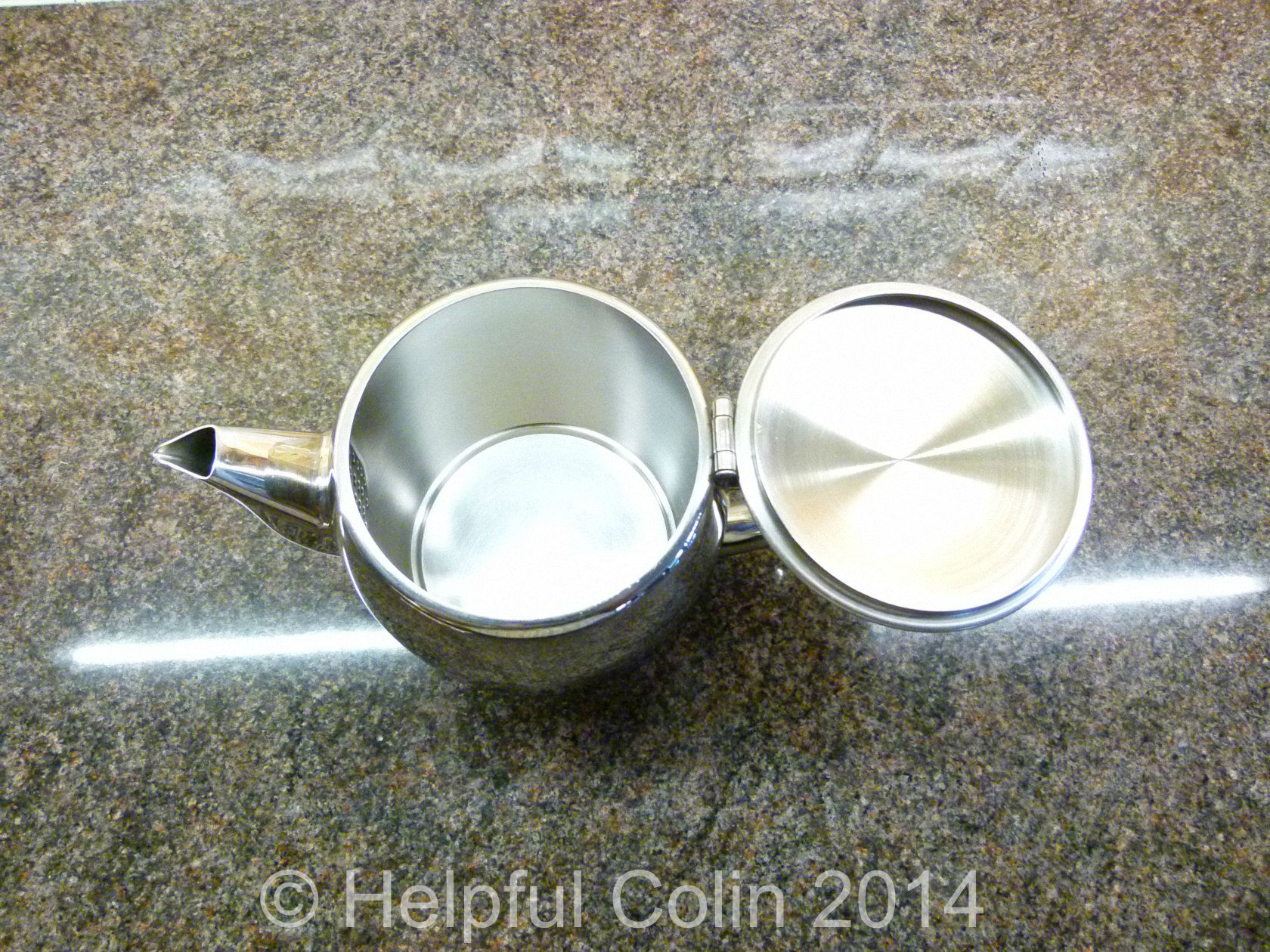
Teapot Cleaning Methods Helpful Colin
Allow your sink to be 3-quarter full.

Clean stainless steel teapot inside. However after a season of regular use you may notice some light staining. Certify that the paste is thick so that it can remove all the marks and stains without any effort. Using soaps that have ingredients will cause a mild corrosive effect on your silver plate teapot over time.
Stainless steel tea kettles hold up well but they can collect grease and food particles that leave them looking dirty. Fill it up with hot water and a glug of liquid or a few teaspoons of powder leave overnight. Make a paste that you can use inside and outside the teapot.
One way is to make sure its emptied and rinsed out immediately after use. As mentioned many stainless steel teapots can be cleaned using a dishwasher. Dampen a non-scratch pad or cloth and gently rub baking soda on the stained area.
For set-in stains or hard water spots use sodium. In order for the stainless steel to please its appearance for a long time and not be covered with scratches a special approach to its cleaning is needed especially. Here are several ways that you can remove the residue.
Sodium carbonate also known as washing soda or soda ash - used as a water softener at high concentrations in stainless steel water tanks not going to pit stainless but will precipitate out metals in water. Clean as usual with soapy water but you will have to wash it properly otherwise itll leave a tatse of clothes powder for a few times 11 April 2013 at 633PM. Take a tablespoon of water and add three tablespoons of baking soda to it.
Step 2 Utilize your dish brush to clean within the pot while your formula is in it. If the outside of your teapot is dirty or smudged simply wash it under the faucet with a sponge or soft cloth and a little dishwashing. Avoid soaps that have citric acid or citric extracts a common ingredient added to citrus-scented dish soap.
While stainless steel is designed for low maintenance you should clean the inside of your pot because scale or calcium deposits may develop inside of the teapot as a result of regular use. If it is a non-lacquered teapot use hot water to clean it. To go a little deeper lets dive into what oxiclean really is MSDS.
Mix well with a long handled spoon. No need for endless polishing to avoid tarnishing like you have with a silver teapot. Our brilliant stainless steel tumblers are perfect for enjoying iced tea or chilled coffee during the dog days of summer.
Thankfully stainless steel teapots are relatively easy to clean. Leave the pot sit in this solution overnight and this will generally melt most of the gunk out of it. Add half teaspoon of acid-free liquid soap to your cleaning water.
It is best to rinse out your teapot after each use with warm water and then turn it upside down to dry. Even the cleanest housewife is faced with the question of how to clean a kettle from a stainless steel inside and out. Use hot water a soft sponge and a small dollop of dishwashing soap to gently remove any residue from tea leaves.
Fill your teapot halfway with warm water and add 12 cup of white vinegar. With one hand rub the paste on the stains of the teapot. Put 1 cup of the heating soft drink into your hardened steel coffee pot and fill the pot with warm water.
Teapot cleaning methods tried on my stainless steel teapot. Make sure to wipe down the inside and the outside of the teapot. With prolonged and active use it loses its shine becomes greasy scum rust and carbon deposits may appear.
Or liquid clothes wash works on teaspoons a treat. Letting it stand with old tea in it until the next mash allows the tannin deposits to grow. Any advice as to how to get rid of the tea-staining inside as there is nothing wrong with the actual pot -.
If the teapot is not too crusty then it can be cleaned by simply putting in one cup of vinegar or 4 tablespoons of baking soda and then filling the remainder of the pot with boiling water. How To Clean A Stainless Steel Teapot. My wife is demonstrating how to clean your stainless tea pot without using harmful chemicals.
I have a stainless steel teapot which has a heavy build-up of tannin inside. If you need to clean a teapot use the guide How to Clean the Inside of a Stainless Steel Teapot. Its a 1960s metal Picquot ware tea setAnne Beal via email To clean Picquot ware put in one tablespoon of Vanish Oxi Action powder and fill with warm water.
To clean a stainless steel tea kettle use baking soda ammonia and other cleaners that gently remove the buildup without scratching or damaging the stainless steel. Teapot cleaning can be avoided by keeping it clean.
EnduroShield is the solution for how to clean stainless steel. You can prevent them from forming by regularly cleaning your sink keeping it dry or using a sink protector.
How To Prevent Water Spots On Stainless Steel Sink How Do I Protect My Stainless Steel Sink August 2021

Hard water is usually a mix of limescale and calcium that is in the water.
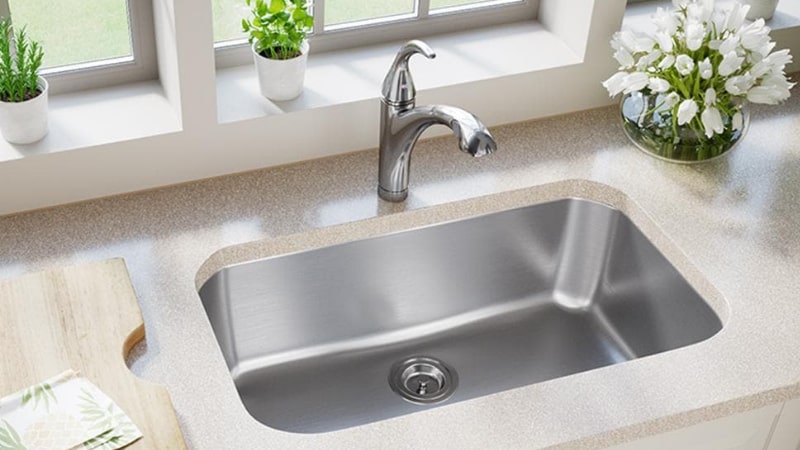
Prevent water stains on stainless steel. You can decrease or eliminate the likelihood of these spots by regularly cleaning your stainless steel sink with recommended products and avoiding caustic chemicals. Stainless steel appliances and hardware are on trend for all styles of kitchens from country to contemporary but it is one of the trickiest surfaces in your kitchen to keep clean showing up fingerprints water spots streaks and smears. To prevent rust spray the steel with WD-40 and buff it with a clean towel then wash it with soapy water.
Besides avoiding steel wool and chlorine or chloride products you should never use oven cleaner to clean your sink. Never use steel wool on your stainless steel since this can scratch it. It contains caustic soda an ingredient in many industrial-strength drain cleaners which is just as bad for the finish as a strong acid.
13 Commercial spots cleaner on stainless steel sink. Then wipe the surface again with another microfiber cloth to dry. These leave particles in the surface of the steel that can rust over time.
Its always a good idea to wipe down your stainless steel appliances once a day. How to Prevent Water Spots on Stainless Steel Sink This first method is all about using vinegar or you can also use the lemon juice if you want. If you have stainless steel appliances especially a refrigerator with an ice and water dispenser youve most likely experiences those water spots and drips that seem impossible to.
When caring for stainless steel youll also want to avoid highly abrasive cleaners like steel wool or abrasive sponges. 14 Here are a few things you dont for stainless steel care. Always dry your stainless steel items immediately after cleaning them instead of leaving them to air dry since the moisture can stain your metal.
The one and only solution to cleaning hard water stains from stainless steel appliances BIO-CLEAN - YouTube. Start with the top of the appliance and move with the grain. Water spots on stainless steel are simply hard water stains.
How To Prevent Water Spots On A Stainless Steel Sink Preventing the Stains. Wearing gloves will help you avoid smudging the material with fingerprints and skin oils as well as protect you from any harsh chemicals used in the cleaning process. These spots can be removed but it is crucial to continue to clean them to prevent them from.
Remove Water Stains From Stainless Steel. Wipe the surfaces with a dry cloth to remove any moisture to prevent the formation of new water spots. This is great because I used to use stainless steel cleaner and it seemed as soon as I had wiped it down I would need to wash my hands and it would have water spots and prints almost immediately.
For daily stainless-steel cleaning and eliminating most water spots a simple wipe with a microfiber cloth 10 for ten Bed Bath Beyond and water does the trick. One way to prevent the stains before you have to. Get a Stainless Steel Sink Water Repellant.
Here are some other ways to protect your sink. Start by wetting the cloth and wiping down the appliance. How to Remove Water Spots from Stainless Steel Appliances.
How to Prevent Water Spots on Stainless Steel Sink Fold your paper towel into half then apply a small amount of olive oil onto it about a nickel to a quart-sized amount. One of the most tried and true methods of protecting your stainless steel sink from hard water is to clean it regularly. Over the past 7 months I have tried everything imaginable to remove these water stains.
Make sure it soaks in all over the paper towel by squishing it around. Both the lemon juice and vinegar are quite acidic in nature. May 12 2017 QUICK TIP.
You just need a wet microfiber cloth and all water spots fingerprints and other stains will come right off. You can see below the stains it. Having a Water Softener.
I even tried my baking soda paste that removed burnt on junk in my oven but it had absolutely no effect on the water stains. How to clean stainless steel to resist fingerprints grease stains. If the spots have already formed you can easily remove them using either vinegarlemon juice and baking or olive oil method.
Avoid letting cast iron cooking implements soak in a stainless steel sink. This removes hard water stains and stops corrosion before they ruin your sink. The one and only solution to cleaning hard water stains from stainless steel appliances.
When the water dries it leaves behind the deposits. Step 1 Rinse your sink completely after each use. I tried lemon juice pledge even store bought cleaners meant for stainless steel.
Wax Paper Water Spots Rub a faucet with waxed paper to prevent those pesky finger prints and water spots. One of my favorite ways to remove hard water stains from just about anything is to use vinegar. Mineral deposits from water can accumulate on stainless steel and harsh chemicals can leave damage spots.
1 How to Prevent Water Spots on Stainless Steel Sink.
But of course there are always downsides. Carbon steel is high in carbon that when exposed to moisture can corrode and rust quickly.

Stainless Steel Fabrication Vs Mild Steel Fabrication Smith Arrow
Rusting Corrosion Resistance The main difference between stainless steel and carbon steel is obviously the corrosion resistance.
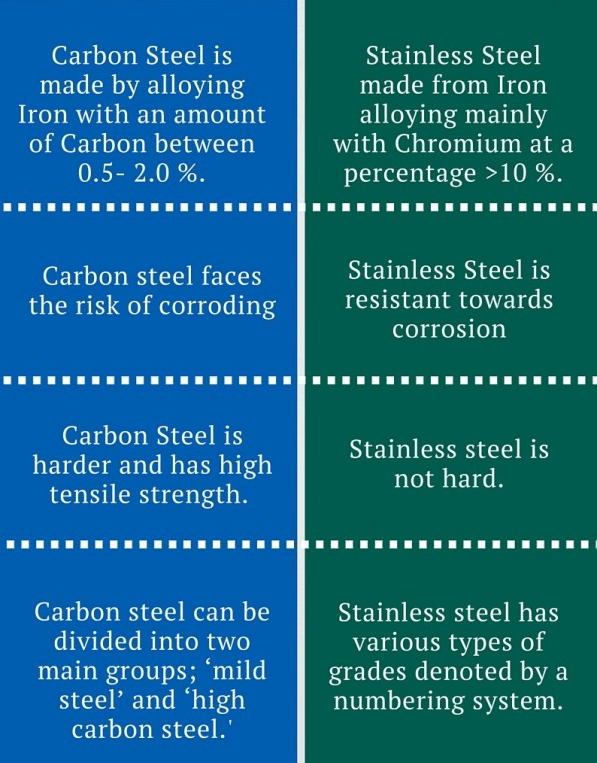
High carbon steel vs stainless. Stainless steel knives are more malleable and springy and arent very brittle. Density is defined as the mass per unit volume. Unlike stainless steel carbon steel is much more susceptible to rust and corrosion making the metal more difficult to maintain in hydraulic applications and wet environments.
More carbon extra hardness. However contrary to popular belief stainless steel is not rust-proof. Compared to low-carbon steel stainless steel offers a massive upgrade in strength hardness and most importantly corrosion resistance.
Unlike any carbon steel chrome steel can survive and thrive oxidation free in corrosive or humid environments. Stainless Steel vs High-Carbon Steel Swords. Stainless steel can stand up to humidity better than high carbon steel.
Among the two metals Stainless Steel is. Carbon Steel an alloy of steel and carbon gets corroded but it is hard the more carbon content the harder the steel. As the carbon percentage rises the steel becomes harder and stronger but also less ductile meaning it is more likely to crack then bend when placed under high tensile stress.
Chromium also has a high melting point. Stainless steel will technically stay sharper this also depends on the angle of the cutting edge. High carbon stainless steel knives are resistant to rust or staining.
Due to its low carbon content most stainless steel is somewhat softer than carbon steel and thus has a fairly low yield strength. This means that its more vulnerable to denting and bending than carbon steel. High-carbon steel can be heat treated to make it a lot harder however in this condition it tends to be more brittle and more difficult to work with.
The pros of high carbon steel is they are much harder and sharper than stainless steel. High carbon steel on the other hand offers strength rivaling and sometimes exceeding stainless steel but is essentially a distinct segment material within the manufacturing world. One of the most influential elements in determining the quality of a sword is the metal used in its construction.
Density of Stainless Steel vs Carbon Steel Density of typical stainless steel is 80 gcm 3 304 steel. Though more and more often youll hear the term High-Carbon Stainless which is a correct terms and refers to stainless steels with high Carbon content above 1. High carbon steel offers strength rivaling and sometimes exceeding stainless steel but is largely a niche material in the manufacturing world.
Low-carbon steel is strong and tough and can be case-hardened if needed. Martensitic stainless steels are generally used for cutting edges. Stainless steel has a high chromium content which acts as a protective layer against corrosion and rust.
While high-carbon steel is stronger but significantly harder to process. Density of typical steel is 805 gcm 3. The reasons for this vary with the manufacturer and the type of blade theyre creating.
Home chefs often choose stainless knives. Stainless Steel vs Carbon Steel. Some of the early Korean and Japanese swords made of bronze and iron were.
However as you are aware high carbon steel has a lot more maintenance. Stainless steel has more ornamental and aesthetic appeal and finds uses in. Carbon Steel is stronger and more durable then stainless steel.
Making stainless requires adding 12 or more chromium. These stainless steels are. Stainless Steel is manufactured to resist rusting or corrosion.
Professionals often choose high-carbon steel. The amount of carbon can be as much as 12 and as low as 02. Both bronze and iron for instance are relatively weak when compared to steel.
Most carbon steel on the other hand is somewhat brittleit has a relatively high yield strength but lower tensile strength. Stainless steels and high alloy tool steels are much more difficult to forge because they have high hot hardness difficult to move under the hammer cannot be annealed easily for grinding and working without temperature-controlled furnaces and have much more tendency to crack during forging or cooling from high temperature. Carbon steel is the more common high-volume steel in production which is used extensively in industries.
But unless you are storing your scissors in a pool of water rust should be a no-show. Stainless knives are more commonly available and are easy to store. Though susceptible to rust unlike stainless steel carbon steel is often cheaper and has its own varying mechanical properties based on carbon content.
The added chromium in the stainless steel means less carbon. This also means that the stainless steel knife will last you for a much longer time than a carbon steel knife. Stainless steel is is more appealing to the eye and can be use for decorative products.
Although some manufacturers cheat and label knives with 07-08 Carbon as high Carbon since there is no law for it I guess. Stainless steel is an alloy that contains 105 or. Low-carbon steels are weaker and softer but can be machined and welded easily.
This is also why the stainless steel knife is more rust-resistant.