How to Tell If Chocolate Is Bad Chocolates expiration date is really just an indicator of when its quality will start to decline. If the chocolate melts or if condensation forms because of temperature changes than bacteria and mold could start to grow on the chocolate.

Does Chocolate Go Bad Shelf Life Of Different Types Of Chocolate And Tips To Keep It Fresh Streetsmart Kitchen
Yes it is fine to store white chocolate in the freezer although doing so will not significantly change the shelf life.
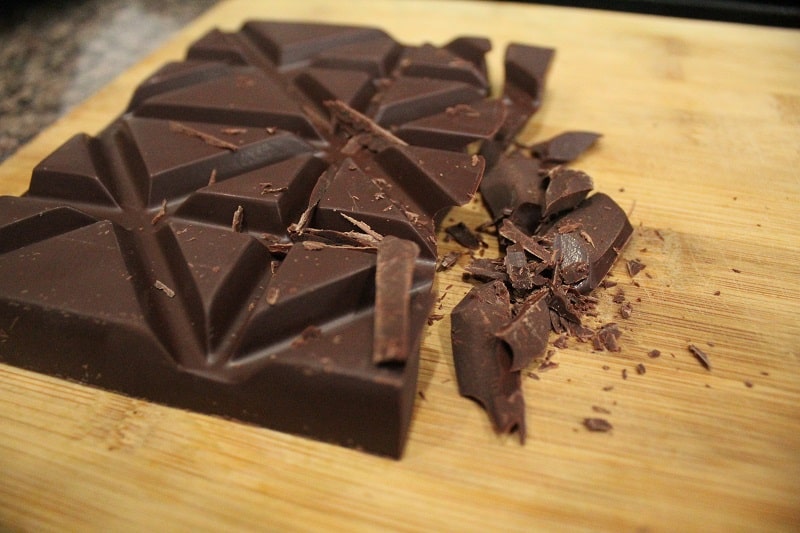
Does melting chocolate go bad. Sugar bloom has to do with the bad relationship between chocolate and water. When the cocoa butter fats in chocolate separate from the cocoa mass and rise to the surface it results in something called fat bloom. Of course chocolate doesnt instantly go bad the day after it.
Does chocolate go bad after melting. You can carry on eating your well-deserved sweet. Cracks or dots on the chocolate may signal its a bit stale and has seen better days.
Its generally okay to eat chocolate for months past the expiration date if. Thinking of melting your bloomed chocolate. Lastly if it does melt taste it.
That date informs you of how long approximately the product should retain freshness. As you can see the answer to the main question can chocolate go bad is affirmative. This date is a rough estimate to guarantee that chocolate should remain at its peak quality with proper storage.
Melted and Rehardened Chocolate. You add the liquid and to your horror the melted chocolate has started clumping. Now why not put one of these methods into practice with one of these 45 mouth-wateringly.
Finally all the glossy smooth chocolate has suddenly become a clumpy matte grainy lump. White chocolate will maintain best quality for about 1 year in the freezer. Milk chocolate will remain at its best quality for one year when stored at normal room temperature or in the fridge.
Next heat the chocolate very gently until it starts to melt then stir regularly until completely melted. You will have no doubt that it is bad. Put on a good romance movie and indulge.
If the chocolate doesnt taste up-to-par it is still perfectly good to use for cooking or making hot cocoa. Thats because of the flavonoids that keep the oxidation of fats from occurring. When you see a white or grayish film on the surface of your food it normally means the product has gone bad but its a different story with chocolate.
It seems as though the more you stir the worse it gets. We saw in a previous post that a few drops of water in melted chocolate dissolve the sugars in the chocolate but not the fats and the lecithin molecules trap this sugar lumps making the chocolate less fluid. Belgian chocolate can last one to two weeks past the printed best-by date if you keep it in the pantry.
You can assume that chocolate is fine to eat for a few weeks to months beyond this date until spoilage signs are evident or the quality drops to an unacceptable level. Chocolate syrup lasts around two years unopened and around six months after it has been opened and refrigerated. Repeat - indulge yourself but NEVER your dog - read our post on what dogs eat to find out more.
Pre-melted chocolate when stored correctly in the fridge or pantry can last up to 12 months whereas unsweetened chocolate keeps well for around 18 months. But if it looks smells and tastes normal youre in the clear. Couverture chocolate - which is the high quality chocolate used by many chocolatiers HAS to be melted down before use to change it from callets drops buttons into liquid that can be poured into shaped moulds or used to dip fruits nuts etc.
To freeze place the white chocolate inside covered airtight containers or heavy-duty freezer bags. Chocolate in most cases is fine for a longer period of time than its Best by or Use by states but that doesnt last forever. How long is Chocolate good for when prepared in a dish.
Chocolate just like chocolate syrup comes with a best-by or best-before date. The best way to see if your chocolate is still good is to melt it. No it should be absolutely fine.
How long does white chocolate last in the freezer. If it does not melt or is very difficult to melt it is not good. Chocolate can go bad in the heat.
As a general rule chocolate and chocolate bars that havent been open are still good to go up to four months after its printed date. Although Ive never heard of this as being a problem heres a suggestion. When stored in the fridge it can last two to four weeks and two to four months in the freezer.
Most chocolates have a shelf-life of 18 months to two years. Another thing to keep in mind before committing to snacking on. It also starts giving some resistance as you stir.
That date is only a rough estimate and chocolate most often lasts much longer. Overall it should be noted that chocolate bloom is not harmful to your health hooray. Chocolate with higher milk content like white chocolate or milk chocolate will go bad quicker than chocolates with lower milk content like semi-sweet bittersweet and dark chocolate.
So even if the chocolate has hardened again after melting the moisture that was there could have allowed. Yes chocolate does go bad. Chocolate is generally safe when its dry but if it has melted or been otherwise exposed to moisture it could be subject to the growth of bacteria.
After some time even a couple of years if stored in cool environment it will eventually go bad.
The fact that coconut has such a low melting point 75F25C makes it a hard one to keep from melting at higher temperatures. This means that the melting point tends to be only slightly higher than most ambient temperatures.

Coconut Oil Faqs Carrington Farms
Putting the bottle in some warm water or near a warm air source will heat it above the temperature needed to liquefy it.
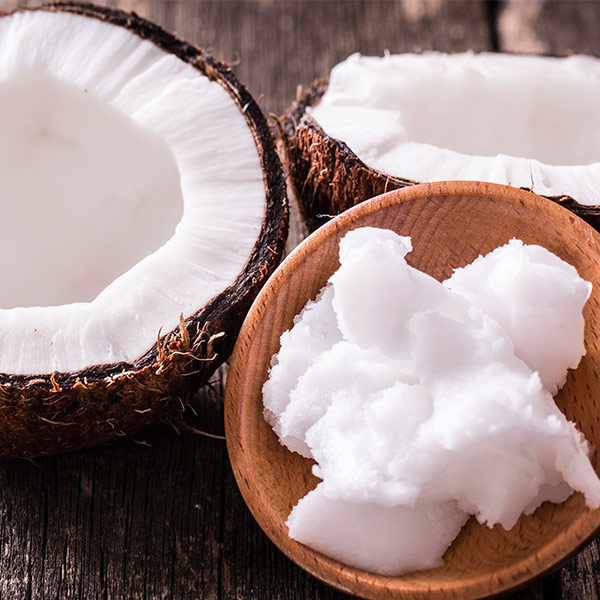
Coconut oil melting at room temperature. Coconut oil melts at about 76 degrees F the tempered chocolate seems to hold up a little better than the untempered chocolates but I would really like to be able to leave these at. This change from liquid to solid and back again does not affect the quality of the oil in any way. Coconut oil will of course add a slight coconut taste so keep that in mind when stirring it into your candy melts.
As such it shouldnt take too much additional heat to melt the coconut oil. The melting point of coconut oil is 78F. What oils are solid at room temperature.
This is what makes coconut oil solid at room temperature have a long shelf life and can be cooked at high temperatures. If I want it solid I put it in the fridge. Or if your coconut oil was liquid when you bought it and doesnt solidify in the fridge it likely isnt regular coconut oil.
In fact depending on the season you. When refrigerated coconut oil is in solid form it can be harder to use. Coconut oil remains a solid up to 74 degrees after which time it becomes a liquid.
Vertygo that is a good question. However adding the oil will definitely make the candy melts easier to work with. Fat and Oil Melt Point Temperatures Vegan baking is all about reverse engineering especially when it comes to things like understanding the melt point temperatures of fats.
Putting the bottle in some warm water or near a warm air source will heat it above the temperature needed to liquefy it. We typically use fats that are solid at room temperature in baked goods and fats that are liquid at room temperature oil in salad dressings and. Almost all fats are mixtures of fatty acids in different crystalline forms so in reality melting point is the temperature range over which the fat goes from hard to soft to liquid.
This change from liquid to solid and back again does not affect the quality of the oil in any way. There is a ton of scientific mumbo jumbo that we can go into but the bottom line is that coconut oil consists of mostly medium-chain fatty acids which have an average melting temperature of 76F 24C. Cold temperatures will cause the oil to solidify into a curdled form allowing it to stay fresh for as long as possible.
The thing you need to know is that its melting point is around 75 F ca. In the summer even in England my coconut oil becomes liquid and stays liquid unless the temperature drops. I hope that one of the food scientists on Cheftalk would be able to help.
Coconut oil is a great option as it is a solid when room temperature pending that you are in a room that is 75 degrees or cooler. Through our proprietary distillation process fatty acids with higher melting points are removed concentrating and leaving the fatty acids with lower melting points. Coconut oil melts at about 78 F so at normal room temperature it will be solid.
If the temperature in the room where you keep it is higher it will liquefy. This is the temperature range at which enough fat molecules are melted that the fat is liquid. Often I choose to examine the building blocks of a recipe so I can understand it and attempt create a.
If the temperature is above 76 degrees the oil will be liquid. Its low melting point of 76 degrees Fahrenheit 24 degrees Celsius means that it will be liquid most of the time. I honestly do not know if there is an ingredient one can use to keep it solid at a warmer temperature.
Opt for oil that is sold in a glass or BPA-free plastic container to avoid chemical leaching. Melting Point of Coconut Oil Coconut Oil is used for a huge variety of purposes not just for food. Coconut oil has a relatively low melting point about 76F according to experts at Nutivia which manufactures coconut oilso it will almost definitely turn to.
Thankfully it has a low melting point of 76 degrees Fahrenheit so its quick to liquify when taken out and left at room temperature. When properly stored you can expect it to last anywhere from 12 to 24 months. Coconut oil is solid at room temperature.
The fatty acids with higher melting points are the reason regular coconut oil is solid at room temperature approximately 68 degrees F. Coconut oil melts at about 78 F so at normal room temperature it will be solid. If you do choose to refrigerate coconut oil allow it to sit out at room temperature for several minutes before using.
The melting point of coconut oil is generally quoted as being 76 degrees F 24 C. The melting point depends on how pure the oil is. Few degrees less and itll be of a jelly consistency.
Again this temperature can fluctuate slightly between different types of coconut oils. Depending on the makeup of your specific coconut oil it melts at a temperature between 76-78 ºF 24-25 ºC. You can store coconut oil in the pantry in the fridge or at room temperature.
Despite How Good It Sounds Coconut Oil Can Have Its. So dietary fats including coconut oil consist of fatty acids that are in the form of triglycerides. In the summer it is liquid in your cabinet and in the winter it is solid.
If the temperature is below 76 degrees it will become solid.